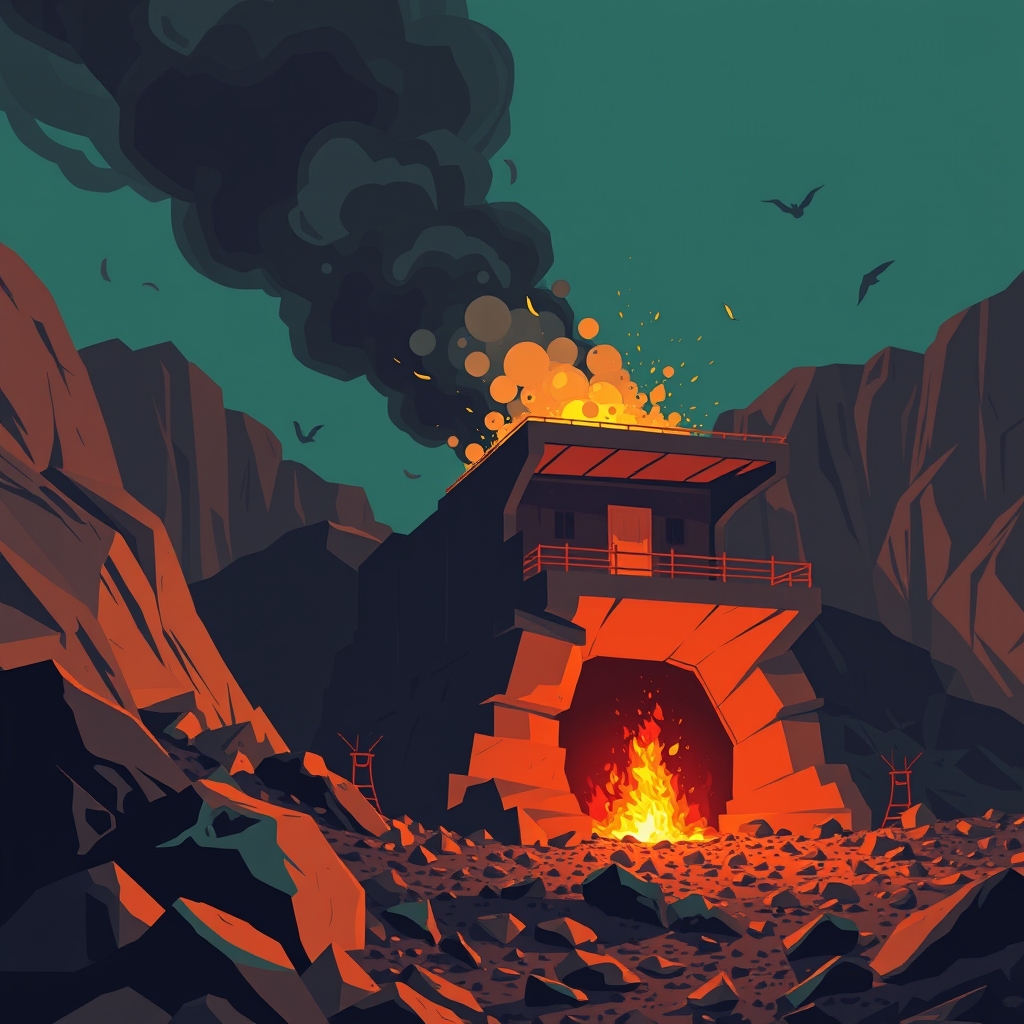
Article: A methane explosion ripped through a coal-mining complex on the outskirts of Quetta on July 30, 2026, killing at least 32 workers and leaving ten more trapped underground. The blast, blamed on a hazardous buildup of gas, has thrust Balochistan’s chronic safety lapses into the spotlight and raised alarms about the province’s fragile stability.
How the disaster unfolded
Government mine inspector Ghani Baloch told reporters the blast was most likely triggered by methane accumulating in the shafts—a known risk in poorly ventilated coal mines. The explosion instantly depleted oxygen, turning the tunnels into an unsurvivable environment for anyone caught inside. Provincial disaster-management officials confirmed the death toll so far, while Minister for Mines and Minerals Shoaib Nosherwani warned that the rugged terrain and toxic atmosphere are hampering rescue crews. Ten miners remain underground, their chances of survival dwindling with each passing hour.
A pattern of neglect
The incident is not an isolated mishap. The Pakistan Central Mines Labour Federation has long warned that Balochistan’s mining sector operates on the edge of safety standards. Most pits lack basic ventilation, have no gas-monitoring equipment, and provide little personal protective gear. The federation’s demands for stricter enforcement have repeatedly fallen on deaf ears, and the recent tragedy underscores the cost of that silence.
Balochistan, Pakistan’s largest province, remains the country’s most economically underdeveloped region. Poverty and high unemployment force thousands of families to cling to mining jobs despite the obvious hazards. The provincial government’s promise of 500,000 rupees (about $1,800) per deceased worker does little to compensate for the systemic failures that put lives at risk in the first place.
Why India should be paying attention
- Regional Stability Concerns: Ongoing socio-economic instability and labor unrest in Balochistan can exacerbate security challenges in the region, potentially impacting the broader geopolitical picture along India's western border.
- Monitoring Economic Vulnerabilities: The Pakistani state's inability to regulate its primary industries and protect its workforce highlights deep-seated structural weaknesses that factor into India's strategic assessment of its neighbor.
- Humanitarian and Security Implications: Frequent industrial disasters and the resulting social volatility create an unpredictable security environment, which India must track closely through intelligence and diplomatic channels.
Counter-point: the government’s response
Officials have pledged a “thorough investigation” and say rescue teams are working around the clock.
What to watch next
- Intelligence assessments – Indian security agencies must keep an eye on Balochistan for signs of unrest that could affect the western border.