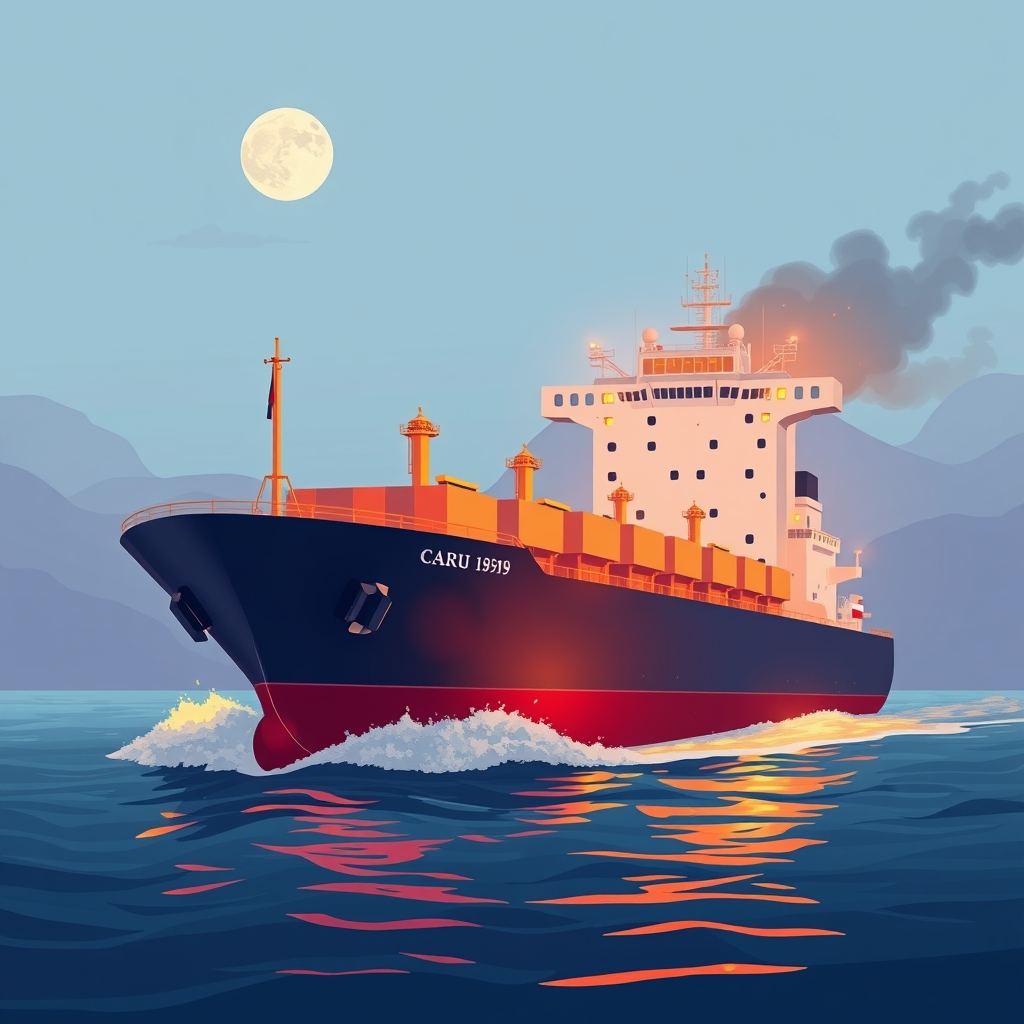
Article: A commercial tanker reported explosions in the Strait of Hormuz on Tuesday, and the United Kingdom Maritime Trade Operations (UKMTO) confirmed that the crew and vessel remain unharmed. The waterway ships a significant portion of the world’s oil, so any disturbance threatens India’s bulk oil imports and the broader flow of maritime trade.
Why the Strait matters now
The strait is a critical oil conduit. When an incident occurs, shipping firms and naval patrols instantly raise alert levels, and insurers scramble to reassess risk premiums. The explosions were reported just as Oman is hosting diplomatic talks aimed at easing Iran-Western tensions, a timing that amplifies uncertainty for anyone watching the Gulf’s security calculus.
Oman’s mediating role
Oman has long positioned itself as a neutral broker in Persian Gulf disputes. Muscat now facilitates negotiations involving Iran and a range of international actors seeking to de-escalate a volatile region. The explosions, whether the work of a rogue faction or an accident, underscore the fragile environment in which those talks are unfolding. They also raise the specter that non-state actors could derail diplomatic progress by staging incidents that force a security response.
Immediate implications for India
- Oil supply and price pressure – Even a brief perception of risk can push freight rates up and lift insurance costs. For India, which imports a large share of its crude through the Gulf, such cost spikes would feed directly into the trade deficit and push domestic fuel prices higher.
- Maritime security in the Indian Ocean Region – India’s navy has been expanding its presence to protect sea lanes that link the Gulf to the Indian Ocean. A disruption in the strait would force ships to reroute, lengthening voyages and straining logistical chains that support India’s growing trade footprint.
- Strategic balancing act – New Delhi is deepening ties with both Western powers and Iran, the latter through projects like the Chabahar Port. A stable strait is essential for those dual tracks. Continued volatility could pressure India to pick a side or to press harder for a regional security framework that guarantees freedom of navigation.
Counter-point: the incident may be isolated
UKMTO’s assessment that the crew and vessel are safe suggests the blast did not cause a broader spill or damage to the tanker’s cargo. If the event proves to be a one-off, insurance markets may view it as an outlier rather than a signal of sustained danger. Shipping lines could keep schedules largely intact, limiting immediate economic fallout.
What to watch next
- Official statements from the parties to the Oman-hosted talks – Any indication that the explosions were linked to a specific group could shift diplomatic momentum.
- Naval patrol activity – An increase in naval presence from regional powers or extra-regional navies would signal heightened security concerns.
- Oil flow data – Real-time tracking of tanker movements through the strait will reveal whether carriers are rerouting or delaying voyages.
- Insurance premium trends – A rapid rise in maritime insurance rates would confirm market nerves, translating directly into higher transport costs for Indian imports.
The strait’s importance to India’s energy security means that even a single, contained incident can ripple through markets and policy circles. While the immediate danger to the reported tanker appears limited, the episode spotlights how quickly geopolitical friction can translate into economic risk. India’s next steps—whether to push for more diplomatic engagement with Oman, boost naval patrols, or diversify oil sourcing—will hinge on how the Gulf drama unfolds in the days ahead.