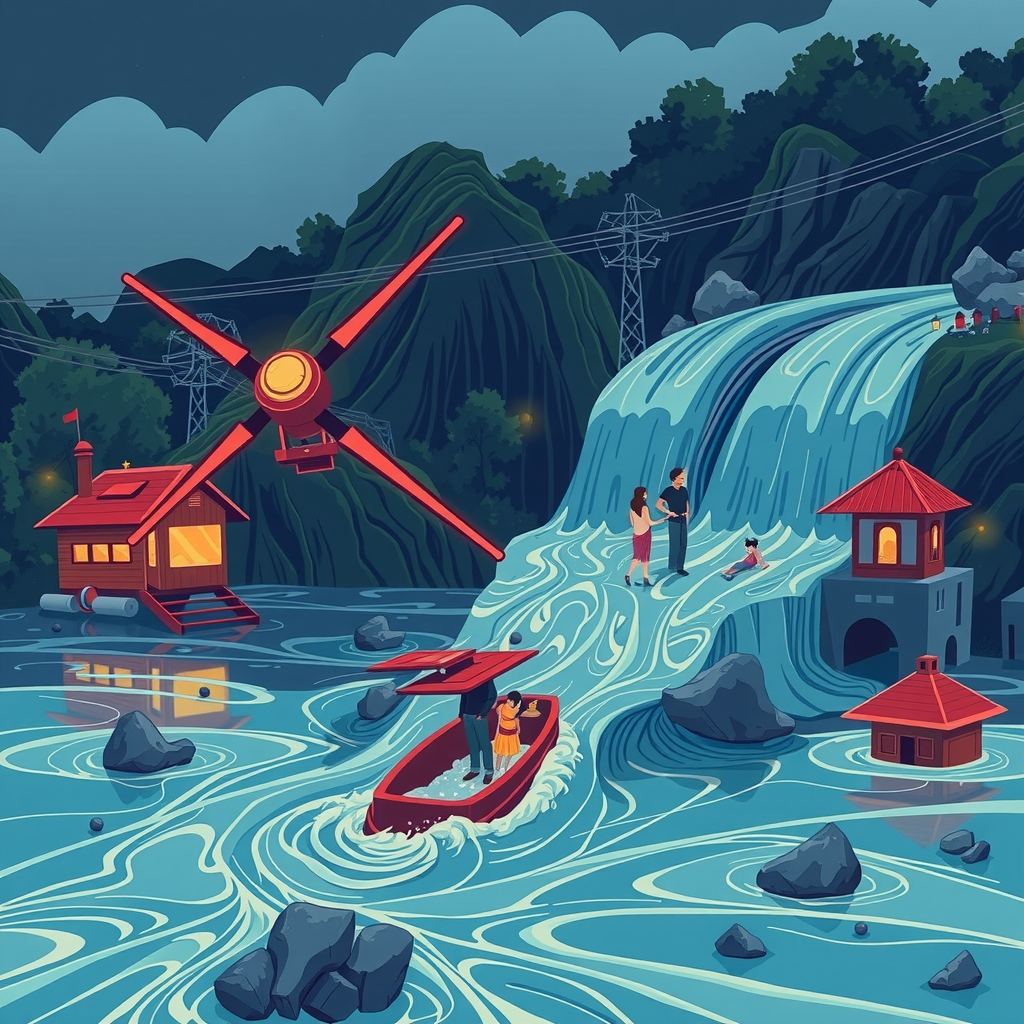
A landslide-triggered flood along the Nepal-Tibet border killed at least 160 people and left hundreds missing, exposing the lack of any system that could have warned residents before the surge hit. A massive rock-ice avalanche dammed the Lhende River, then burst, turning the valley into a death trap of “liquid concrete.”
How the disaster unfolded
Seismographs recorded a magnitude-4.4 tremor just before the flood, prompting early reports to blame an earthquake. The U.S. Geological Survey later showed that long-period seismic waves came from the landslide itself, not a tectonic shift. A senior researcher at a regional mountain-development centre explained that the avalanche buried part of the river, creating a natural dam. Water backed up behind the blockage until the dam gave way, unleashing a wall of mud, ice and water that swept away vehicles and multi-storey buildings in seconds.
Hydrologists noted a striking detail: no significant rainfall fell in the days before the event. Most flood-warning systems rely on rain gauges or satellite-based precipitation estimates. Without that trigger, those systems stay silent even as a catastrophic flood builds behind an unseen dam.
The warning-system gap
A dam-breach flood rushes through a valley in minutes, leaving little time to evacuate. Survivors who escaped climbed at least 20 feet above the riverbed; vehicles could not outrun the surge. Experts argue that the only realistic chance to save lives is to detect dam formation and imminent breach minutes—not hours—in advance.
Real-time river-level gauges spot a rising water column behind a blockage. Where a gauge can transmit data instantly, a 20- to 30-minute warning is technically possible. Yet the Himalayas remain sparsely instrumented; many tributaries lack permanent stations, and the rugged terrain makes installation and maintenance costly.
Climate-driven changes are making such events more frequent. Glacial melt, permafrost thaw and hotter heat waves destabilise slopes, turning rock-ice avalanches into a regular hazard. A similar glacial-lake outburst flood struck Nepal’s Rasuwa District in July 2025 after a lake in China’s Gyirong County burst, underscoring the trans-border nature of the risk.
Emerging sensor-and-AI solutions
Researchers are now weaving three strands of technology to fill the warning void:
- Distributed seismic and acoustic sensors. Small, low-power seismometers placed on slopes pick up the low-frequency vibrations of a landslide and distinguish them from tectonic quakes. When a network detects a sudden surge in energy, it flags a potential dam-forming event within seconds.
- River-stage monitoring using radar and ultrasonic probes. Mounted on bridges or riverbanks, these devices measure water height without contact. Wireless transmission lets a network of probes stream real-time water-level curves to a central hub.
- AI models that fuse sensor streams with satellite imagery. Machine-learning algorithms trained on past landslide and flood events recognise patterns—rapid surface deformation, changes in river colour, thermal signatures—that precede a dam breach. By ingesting data from ground sensors, weather satellites and synthetic-aperture radar (which sees through clouds), the models issue probabilistic alerts.
Pilot projects in other mountain regions have shown that a combined sensor-AI system can shave minutes off detection time, enough to trigger sirens, mobile alerts and the opening of emergency shelters. In Nepal, a handful of NGOs have begun testing low-cost seismic nodes on vulnerable slopes, but a coordinated national rollout remains absent.
Stakes for the region
- மனித உயிர்கள். திடீரென ஏற்படும் அணையினால் (dam) துண்டிக்கப்படக்கூடிய ஆற்றுப் பள்ளத்தாக்குகளில் நூற்றுக்கணக்கான குடும்பங்கள் வசித்து வருகின்றனர். சரியான நேரத்தில் வழங்கப்படும் எச்சரிக்கை, மக்கள் அடித்துச் செல்லப்படுவதைத் தவிர்த்து, அவர்களைப் பாதுகாப்பான இடத்திற்கு வெளியேற்ற உதவும்.
- எல்லை தாண்டிய நீர் பாதுகாப்பு. லெண்டே (Lhende) ஆறு இந்தியாவுக்குள் பாயும் பெரிய வடிநிலங்களுக்கு (basins) நீர் வழங்குகிறது. கட்டுப்பாடற்ற வெள்ளம் கீழ்மட்டக் கட்டமைப்புகளைப் பாதிப்பதோடு, மின் உற்பத்தியைத் தடுத்து, விவசாய நிலங்களை மூழ்கடித்து, நேபாளத்தின் எல்லைகளைத் தாண்டிப் பேரழிவை ஏற்படுத்தும்.
- பொருளாதாரச் செலவு. வெள்ளத்திற்குப் பிறகு சாலைகள், பாலங்கள் மற்றும் வீடுகளை மீண்டும் கட்டியெழுப்புவதற்கு ஆகும் செலவு, ஒரு சிறிய சென்சார் நெட்வொர்க்கை நிறுவுவதை விட மிக அதிகம். 2025 GLOF மறுசீரமைப்புச் செலவுகள் பல மில்லியன் டாலர்களை எட்டின—இது ஒரு அடிப்படை முன் எச்சரிக்கை முறைக்குத் தேவைப்பட்ட தொகையில் மிகச் சிறிய அளவே ஆகும்.
- மூலோபாய நிலைத்தன்மை. நிலநடுக்கத்தைப் போன்ற ஒரு நிலச்சரிவு, பேரிடர் மீட்புப் பணிகளைச் சிக்கலாக்குவதோடு, நிலநடுக்க நிகழ்வுகளால் ஏற்கனவே அழுத்தத்தில் இருக்கும் அவசரக்கால சேவைகளிலும் கூடுதல் சுமையை ஏற்படுத்துகிறது. நம்பகமான கண்டறிதல் முறை, அதிகாரிகள் வளங்களை மிகவும் திறம்பட ஒதுக்கீடு செய்ய உதவுகிறது.
பயன்பாட்டிற்கான தடைகள்
நிலப்பரப்பு மிகவும் தெளிவான தடையாகும். செங்குத்தான, தொலைதூரச் சரிவுகளை அடைவது கடினம், மேலும் சென்சார்களுக்குத் தொடர்ந்து மின்சாரம் வழங்குவது ஒரு தளவாட ரீதியான பெரும் சவாலாகும் (logistical nightmare). சூரிய ஆற்றல் தகடுகள் (Solar panels) வேலை செய்கின்றன, ஆனால் கனமான பனிப்பொழிவு மற்றும் பருவமழை மேகங்கள் அவற்றின் உற்பத்தியைக் குறைக்கின்றன. தவறான எச்சரிக்கைகளும் மற்றொரு ஆபத்தாகும்: ஒரு நெட்வொர்க் அடிக்கடி "ஆபத்து" என்று எச்சரித்தால், அது பொதுமக்களின் நம்பிக்கையைச் சிதைக்கும், இதனால் மக்கள் உண்மையான எச்சரிக்கைகளையும் அலட்சியப்படுத்தக்கூடும்.
தரவுப் பகிர்வும் முன்னேற்றத்தைத் தடுக்கிறது. ஒரு நாட்டில் சேகரிக்கப்படும் ஆற்று மட்டத் தகவல், கீழ்மட்டப்ប្រទេសங்களுக்கு (downstream neighbours) மிக முக்கியமானதாக இருக்கலாம், இருப்பினும் அரசியல் உணர்திறன்கள் மற்றும் தொழில்நுட்பப் பொருந்தாமை ஆகியவை நிகழ்நேரத் தகவல்களைப் பரிமாறிக்கொள்வதைக் கட்டுப்படுத்துகின்றன. ஒரு பிராந்திய தரவுத் தளத்தை (regional data platform) உருவாக்குவதற்குத் தரநிலைகள், குறியாக்க முறை (encryption) மற்றும் எச்சரிக்கைகளுக்கான பொறுப்பு ஆகியவற்றின் மீதான ஒப்பந்தங்கள் தேவைப்படும்.
நிதி ஆதாரம் இன்னும் நிச்சயமற்றதாகவே உள்ளது. ஒரு நிலநடுக்கக் கருவி (seismic node) அல்லது ரேடார் கருவியின் (radar probe) வன்பொருள் செலவுகள் வியக்கத்தக்க வகையில் குறைந்துள்ளன, ஆனால் ஆயிரக்கணக்கான கிலோமீட்டர் தொலைவிற்கு ஒரு நெட்வொர்க்கை விரிவுபடுத்துவதற்கு இன்னும் கணிசமான முதலீடு தேவைப்படுகிறது. சர்வதேச நன்கொடையாளர்கள், வளர்ச்சி வங்கிகள் மற்றும் தனியார் துறை பங்காளிகள் இத்தகைய திட்டங்களுக்காக காலநிலை மாற்றத் தகவமைப்பு நிதியை (climate-adaptation funds) ஒதுக்கத் தொடங்கியுள்ளனர், ஆனால் நிதி வழங்கும் செயல்முறை மெதுவாகவே நகர்கிறது.
அடுத்து கவனிக்க வேண்டியவை
- நேபாளத்தின் நிலச்சரிவு அதிகம் ஏற்படும் மாவட்டங்களில் ஒருங்கிணைக்கப்பட்ட சென்சார்-AI கருவிகளின் களச் சோதனைகள். வெற்றிகரமான முன்னோடித் திட்டங்கள், தேசிய அளவில் இதனைச் செயல்படுத்த அரசாங்கத்தை பட்ஜெட் ஒதுக்கத் தூண்டக்கூடும்.
- நேபாளம், இந்தியா மற்றும் சீனா ஆகியவற்றுக்கு இடையேயான எல்லை தாண்டிய தரவுப் பகிர்வு நெறிமுறைகள், குறிப்பாகப் பல எல்லைகளைக் கடந்து பாயும் ஆறுகளுக்கு இது மிகவும் அவசியம். முன்கூட்டியே மேற்கொள்ளப்படும் ஒப்பந்தங்கள், ஒரு நிகழ்வின் போது எச்சரிக்கைகளை விரைவாகப் பரப்ப உதவும்.
- பொது எச்சரிக்கைகளுக்கான ஒழுங்குமுறை கட்டமைப்புகள். எச்சரிக்கையை யார் வழங்கலாம், எந்தத் தகவல் தொடர்பு வழிகள் மூலம் வழங்கலாம் மற்றும் AI மூலம் உருவாக்கப்பட்ட எச்சரிக்கைகளை எவ்வாறு சரிபார்க்கலாம் என்பதைத் தீர்மானிப்பது பொதுமக்களின் எதிர்வினையைத் தீர்மானிக்கும்.
- சமூக அளவிலான பயிற்சி. எச்சரிக்கை வரும்போது மக்கள் எவ்வாறு செயல்பட வேண்டும் என்று தெரியவில்லை என்றால், சிறந்த தொழில்நுட்பமும் தோல்வியடையும். உள்ளூர் ஒத்திகைகள், அடையாளச் சின்னங்கள் மற்றும் விழிப்புணர்வுப் பிரச்சாரங்கள் ஆகியவை வன்பொருளுக்குத் தேவையான முக்கியத் துணைத் தேவைகளாகும்.
சுருக்கம்
மழைப்பொழிவைச் சாராத ஒரு மிகப்பெரிய பேரழிவு சில நிமிடங்களில் வெடிக்கக்கூடும் என்பதையும், அது வழக்கமான வெள்ள எச்சரிக்கைகளை பயனற்றதாக்கிவிடும் என்பதையும் நேபாள வெள்ளம் நிரூபித்துள்ளது. செயற்கைக்கோள் மற்றும் தரைத் தரவுகளைப் பகுப்பாய்வு செய்யும் AI உடன் இணைக்கப்பட்ட குறைந்த செலவிலான நிலநடுக்க மற்றும் ஆற்று மட்ட சென்சார்களின் நெட்வொர்க்கை நிறுவுவது, உயிர்களைக் காப்பாற்றத் தேவையான மிகக் குறுகிய ஆனால் முக்கியமான எச்சரிக்கை காலத்தை வழங்கக்கூடும். அடுத்த “திரவ கான்கிரீட்” (liquid concrete) போன்ற வெள்ளப் பெருக்குத் தாக்குதல் வருவதற்கு முன்பே தொழில்நுட்பம், தளவாடங்கள் மற்றும் அரசியல் இடைவெளிகளைக் குறைப்பது, இமயமலை ஒரு மரண மண்டலமாகவே இருக்குமா அல்லது தொழில்நுட்பம் கால அவகாசத்தை வழங்கும் ஒரு பிராந்தியமாக மாறுமா என்பதைத் தீர்மானிக்கும்.