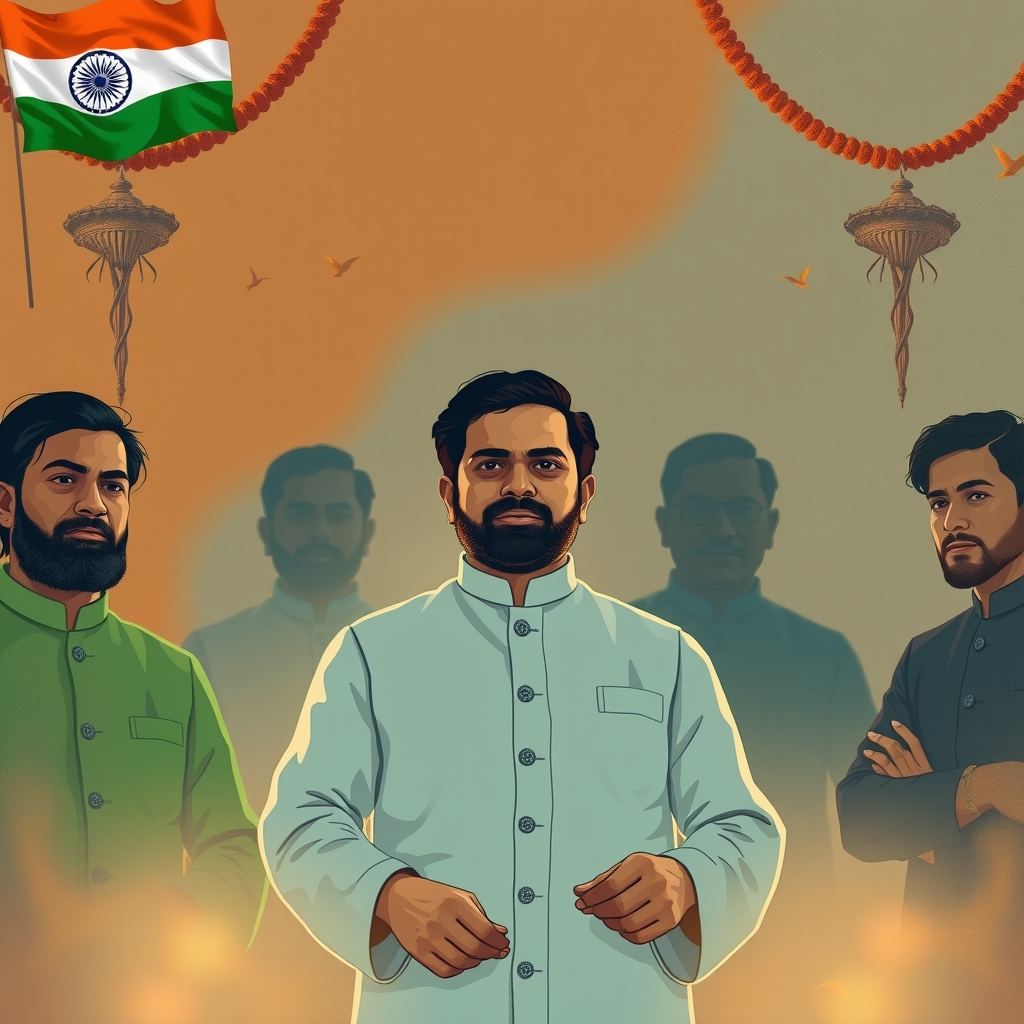
The 26th Shanghai Cooperation Organisation (SCO) Summit in Bishkek, Kyrgyzstan, was meant to tackle regional security and connectivity. Instead, it sparked a digital diplomatic row when Pakistan’s Prime Minister Shehbaz Sharif posted a manipulated group photograph.
The Photo Manipulation Incident
On September 1, 2026, Pakistan’s Prime Minister’s Office shared a social-media image that placed Sharif at the centre of the global leadership bloc. The cropped picture showed Chinese President Xi Jinping, Russian President Vladimir Putin and the heads of Kyrgyzstan, Tajikistan and Uzbekistan, but omitted several other leaders.
Indian Prime Minister Narendra Modi quickly posted the original, unedited shot. The authentic photo showed Sharif fourth from the right and revealed that five other heads of state—including Modi—had been cut out to create a false narrative of central importance for Pakistan.
Strategic Priorities at the 26th SCO Summit
Beyond the photo feud, the summit carried real geopolitical weight. The SCO now counts ten member states, fifteen partner countries and two observers. Iran joined in 2023 and Belarus in 2024, expanding the bloc’s non-Western influence.
Modi urged the group to move from “visionary rhetoric” to measurable outcomes, focusing on the SCO’s three pillars: security, connectivity and opportunity. He framed India as a stabilising force amid Middle-East conflicts that have disrupted energy supplies and global trade.
The Contrast in Diplomatic Stature
The episode highlights a stark contrast in approach. India engages the SCO through institutional strength, security cooperation and economic connectivity. Pakistan’s leadership turned to “image-centric” diplomacy, using digital manipulation to feign influence it does not possess.
By centring on security and connectivity, India positions itself as a stakeholder that cares about the mechanics of regional integration, not just optics.
What It Means for India
- Soft-power assertion: Sharing the original photograph let India expose Pakistan’s misinformation, reinforcing New Delhi’s reputation as a transparent global player.
- Focus on institutional stability: Modi’s call for “measurable outcomes” keeps India at the forefront of real policy shifts within the SCO.
- Countering regional isolation: As the SCO adds members like Iran and Belarus, India’s ability to navigate these dynamics while preserving strategic autonomy helps balance the China-Russia axis in Central Asia.
Pakistan’s prime minister’s office posted a digitally altered photograph from the 26th SCO summit on 1 September 2026, positioning Sharif at the centre of the leaders’ group. Within minutes, Modi shared the original, unedited image, showing Sharif fourth from the right and revealing that five other heads of state—including Modi himself—had been cropped out. The swift reversal turned a social-media post into a diplomatic incident and highlighted how AI-generated image manipulation is being weaponised on the world stage.
The mechanics of the manipulation
The Pakistani image was a tightly cropped version of the official group shot taken on the summit’s opening day in Bishkek. By removing the outer figures and re-centering Sharif, the picture suggested Pakistan’s leader held equal prominence with Xi Jinping, Vladimir Putin and the Central Asian heads of state.
Why the summit matters beyond a photo
The 26th SCO summit is not routine. The organisation now comprises ten members, fifteen partners and two observers, making it a major platform for Eurasian security and economic cooperation. Iran’s admission in 2023 and Belarus’s in 2024 broaden influence beyond the original China-Russia core. The SCO charter stresses three pillars: security, connectivity and opportunity. In his remarks, Modi urged the bloc to move from “visionary rhetoric” to concrete outcomes, positioning India as a stabilising force amid Middle-East conflicts that have disrupted energy supplies and global trade.
Diplomatic fallout and the soft-power battle
ข้อพิพาทเรื่องภาพถ่ายได้ตอกย้ำให้เห็นถึงความแตกต่างอย่างชัดเจนในด้านรูปแบบ อินเดียตอบโต้ด้วยความโปร่งใสทางข้อเท็จจริง: การเผยแพร่ภาพถ่ายที่แท้จริงทำให้รัฐบาลนิวเดลีวางบทบาทของตนเองในฐานะผู้ปกป้องความจริงในพื้นที่สาธารณะ การดำเนินการดังกล่าวช่วยเสริมสร้างเรื่องเล่าด้านอำนาจละมุน (soft power) ของอินเดียในเรื่องความเปิดกว้างและความมั่นใจ โดยเฉพาะอย่างยิ่งในขณะที่อินเดียกำลังแสวงหาบทบาทที่ใหญ่ขึ้นในการกำหนดนโยบายของ SCO ในทางกลับกัน ความพยายามของปากีสถานที่จะแสดงตนว่ามีบทบาทสำคัญนั้น อาศัยเพียงสัญลักษณ์ทางภาพเพื่อชดเชยอิทธิพลที่มีอยู่อย่างจำกัดภายในองค์กร ดังนั้น เหตุการณ์นี้จึงกลายเป็นส่วนหนึ่งของการแข่งขันเพื่อสร้างอิทธิพลในวงกว้างระหว่างสมาชิก SCO ซึ่งการรับรู้สามารถแปรเปลี่ยนเป็นอำนาจต่อรองได้
สิ่งที่นักพัฒนาต้องดำเนินการ
การตรวจจับการปลอมแปลงภาพที่สร้างขึ้นโดย AI ยังคงเป็นการแข่งขันทางเทคนิค เครื่องมือพิสูจน์หลักฐานในปัจจุบันสามารถตรวจจับแสง เงา สัญญาณรบกวนของพิกเซล (pixel noise) หรือร่องรอยจากการบีบอัด (compression artefacts) ได้ แต่โมเดลที่มีความซับซ้อนสูงสามารถปรับแต่งพารามิเตอร์เหล่านั้นเพื่อหลบเลี่ยงการตรวจจับได้ นักพัฒนาซอฟต์แวร์ตรวจสอบควร:
- บูรณาการการวิเคราะห์แบบหลายรูปแบบ (multimodal analysis): ผสมผสานสัญญาณทางภาพเข้ากับการตรวจสอบเมทาดาตา (metadata) เช่น การประทับเวลา (timestamps) และแหล่งที่มาของไฟล์ เพื่อแจ้งเตือนเมื่อพบความไม่สอดคล้องกัน
- อัปเดตโมเดลอย่างต่อเนื่อง: เมื่อสถาปัตยกรรมของ generative-AI มีการพัฒนาขึ้น อัลกอริทึมการตรวจจับจะต้องได้รับการฝึกฝนใหม่ด้วยชุดข้อมูลสังเคราะห์ (synthetic datasets) ล่าสุด
- จัดทำชุดเครื่องมือแบบโอเพนซอร์ส (open-source toolkits): เพื่อช่วยให้นักข่าว สถานทูต และองค์กรระหว่างประเทศสามารถตรวจสอบได้อย่างรวดเร็วโดยไม่มีอุปสรรคจากซอฟต์แวร์ที่มีลิขสิทธิ์เฉพาะ
หากขาดความสามารถดังกล่าว รัฐบาลอาจตกอยู่ในความเสี่ยงที่จะถูกโจมตีโดยไม่ทันตั้งตัวจากข้อมูลบิดเบือนในรูปแบบภาพ ซึ่งสามารถโน้มน้าวความคิดเห็นของสาธารณชนและการเจรจาทางการทูตได้