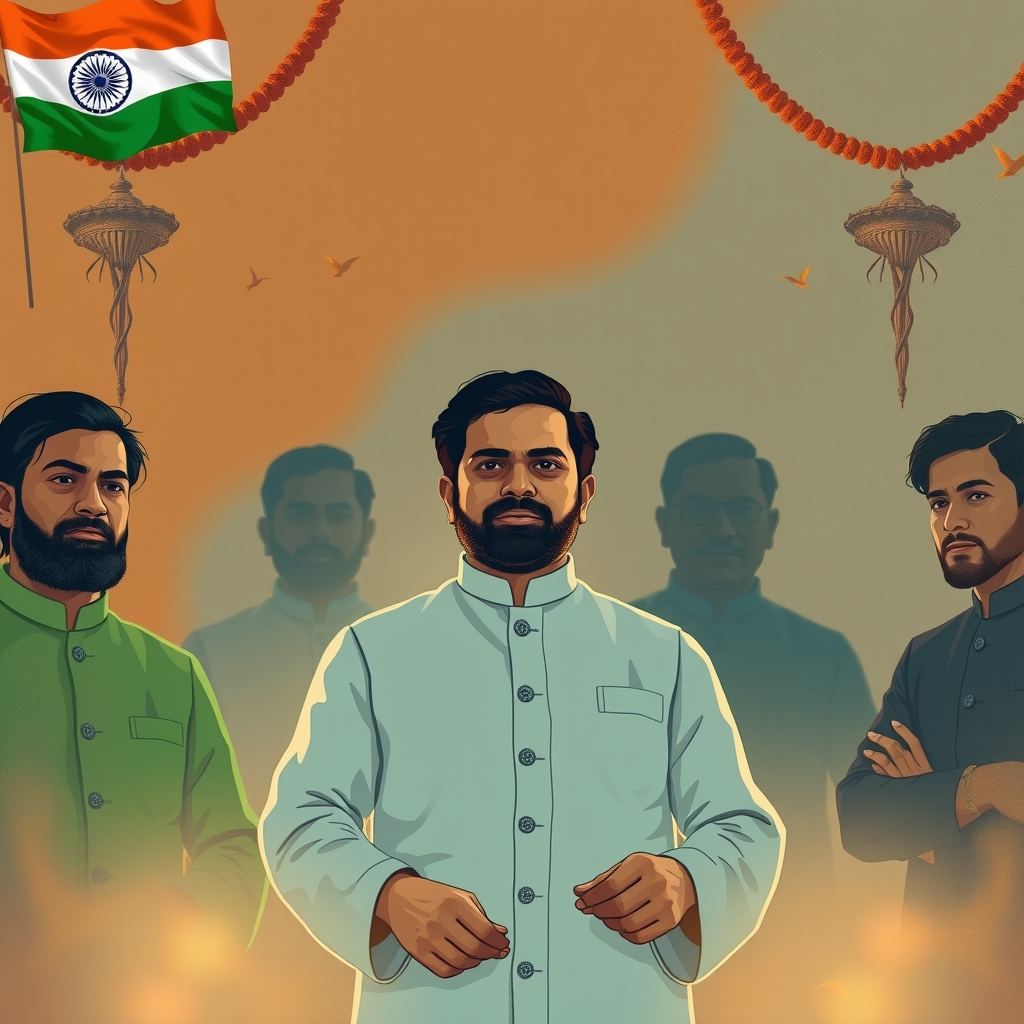
The 26th Shanghai Cooperation Organisation (SCO) Summit in Bishkek, Kyrgyzstan, was meant to tackle regional security and connectivity. Instead, it sparked a digital diplomatic row when Pakistan’s Prime Minister Shehbaz Sharif posted a manipulated group photograph.
The Photo Manipulation Incident
On September 1, 2026, Pakistan’s Prime Minister’s Office shared a social-media image that placed Sharif at the centre of the global leadership bloc. The cropped picture showed Chinese President Xi Jinping, Russian President Vladimir Putin and the heads of Kyrgyzstan, Tajikistan and Uzbekistan, but omitted several other leaders.
Indian Prime Minister Narendra Modi quickly posted the original, unedited shot. The authentic photo showed Sharif fourth from the right and revealed that five other heads of state—including Modi—had been cut out to create a false narrative of central importance for Pakistan.
Strategic Priorities at the 26th SCO Summit
Beyond the photo feud, the summit carried real geopolitical weight. The SCO now counts ten member states, fifteen partner countries and two observers. Iran joined in 2023 and Belarus in 2024, expanding the bloc’s non-Western influence.
Modi urged the group to move from “visionary rhetoric” to measurable outcomes, focusing on the SCO’s three pillars: security, connectivity and opportunity. He framed India as a stabilising force amid Middle-East conflicts that have disrupted energy supplies and global trade.
The Contrast in Diplomatic Stature
The episode highlights a stark contrast in approach. India engages the SCO through institutional strength, security cooperation and economic connectivity. Pakistan’s leadership turned to “image-centric” diplomacy, using digital manipulation to feign influence it does not possess.
By centring on security and connectivity, India positions itself as a stakeholder that cares about the mechanics of regional integration, not just optics.
What It Means for India
- Soft-power assertion: Sharing the original photograph let India expose Pakistan’s misinformation, reinforcing New Delhi’s reputation as a transparent global player.
- Focus on institutional stability: Modi’s call for “measurable outcomes” keeps India at the forefront of real policy shifts within the SCO.
- Countering regional isolation: As the SCO adds members like Iran and Belarus, India’s ability to navigate these dynamics while preserving strategic autonomy helps balance the China-Russia axis in Central Asia.
Pakistan’s prime minister’s office posted a digitally altered photograph from the 26th SCO summit on 1 September 2026, positioning Sharif at the centre of the leaders’ group. Within minutes, Modi shared the original, unedited image, showing Sharif fourth from the right and revealing that five other heads of state—including Modi himself—had been cropped out. The swift reversal turned a social-media post into a diplomatic incident and highlighted how AI-generated image manipulation is being weaponised on the world stage.
The mechanics of the manipulation
The Pakistani image was a tightly cropped version of the official group shot taken on the summit’s opening day in Bishkek. By removing the outer figures and re-centering Sharif, the picture suggested Pakistan’s leader held equal prominence with Xi Jinping, Vladimir Putin and the Central Asian heads of state.
Why the summit matters beyond a photo
The 26th SCO summit is not routine. The organisation now comprises ten members, fifteen partners and two observers, making it a major platform for Eurasian security and economic cooperation. Iran’s admission in 2023 and Belarus’s in 2024 broaden influence beyond the original China-Russia core. The SCO charter stresses three pillars: security, connectivity and opportunity. In his remarks, Modi urged the bloc to move from “visionary rhetoric” to concrete outcomes, positioning India as a stabilising force amid Middle-East conflicts that have disrupted energy supplies and global trade.
Diplomatic fallout and the soft-power battle
Tranh chấp về bức ảnh đã làm nổi bật sự tương phản sắc nét về phong cách. Ấn Độ đã đáp trả bằng sự minh bạch về sự thật: bằng cách công bố hình ảnh xác thực, New Delhi đã tự định vị mình là người bảo vệ sự thật trên đấu trường công luận. Động thái đó đã củng cố câu chuyện về quyền lực mềm của Ấn Độ về sự cởi mở và tự tin, đặc biệt là khi quốc gia này đang tìm kiếm vai trò lớn hơn trong việc định hình chính sách của SCO. Ngược lại, nỗ lực của Pakistan nhằm tỏ ra có vị thế trung tâm lại dựa vào các biểu tượng hình ảnh để bù đắp cho tầm ảnh hưởng hạn chế trong tổ chức. Do đó, sự việc này đã góp phần vào cuộc cạnh tranh ảnh hưởng rộng lớn hơn giữa các thành viên SCO, nơi mà nhận thức có thể chuyển hóa thành sức mạnh đàm phán.
Những gì các nhà phát triển cần làm
Việc phát hiện các hình ảnh giả mạo do AI tạo ra vẫn là một cuộc chạy đua về mặt kỹ thuật. Các công cụ pháp chứng hiện nay có thể gắn cờ các vấn đề về ánh sáng, nhiễu điểm ảnh hoặc các lỗi nén, nhưng các mô hình tinh vi đang tối ưu hóa các tham số đó để né tránh sự phát hiện. Các nhà phát triển phần mềm xác thực nên:
- Tích hợp phân tích đa phương thức: kết hợp các dấu hiệu hình ảnh với việc kiểm tra siêu dữ liệu (dấu thời gian, nguồn gốc tệp) để đưa ra cảnh báo khi xuất hiện các điểm bất thường.
- Cập nhật mô hình liên tục: khi các kiến trúc AI tạo sinh phát triển, các thuật toán phát hiện phải được đào tạo lại trên các bộ dữ liệu tổng hợp mới nhất.
- Cung cấp các bộ công cụ mã nguồn mở: cho phép các nhà báo, đại sứ quán và các tổ chức quốc tế thực hiện các kiểm tra nhanh chóng mà không gặp phải các rào cản độc quyền.
Nếu không có những khả năng như vậy, các chính phủ sẽ đối mặt với rủi ro bị bất ngờ bởi các thông tin sai lệch dựa trên hình ảnh, vốn có thể xoay chuyển dư luận và các cuộc đàm phán ngoại giao.